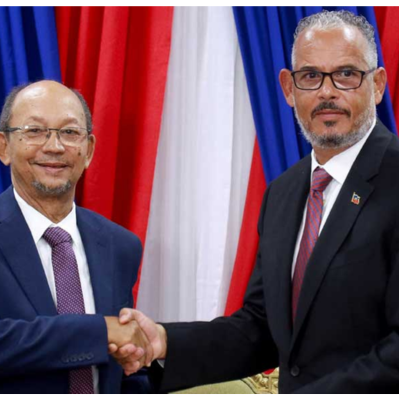
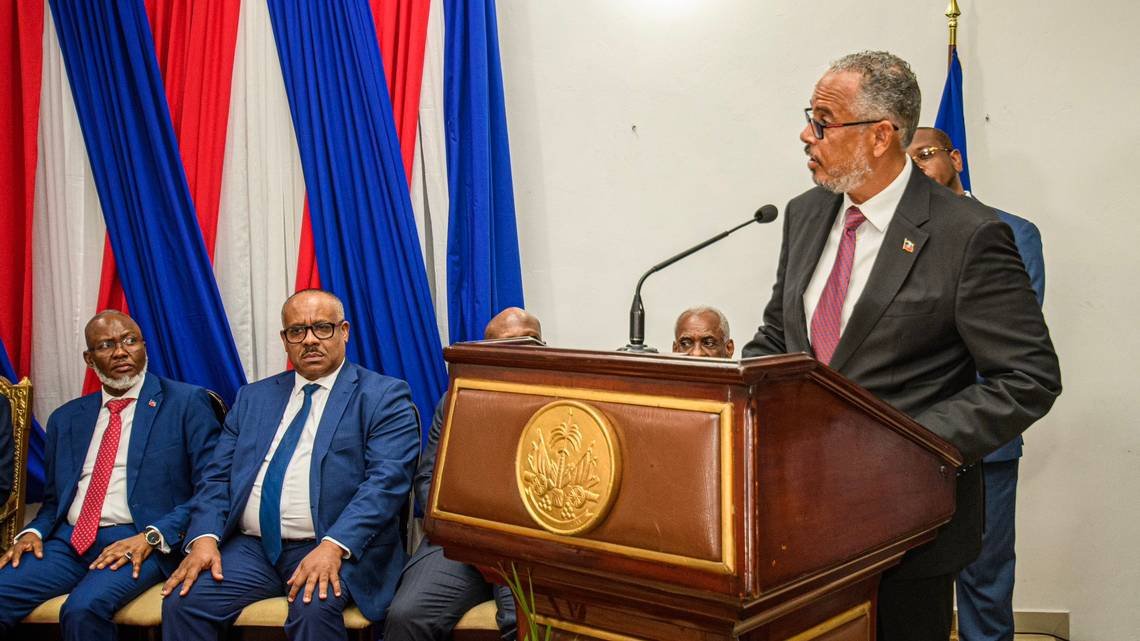
Securing Toussaint Louverture International Airport is a top priority for the Haitian government. On February 6, 2025, Prime Minister Alix Didier Fils-Aimé visited the airport to strengthen essential security measures. This initiative forms part of a broader strategy to ensure the safety of passengers, airport staff, and the country’s critical infrastructure. As airport security becomes an increasing global concern, Fils-Aimé’s visit highlights Haiti’s commitment to enhancing the security conditions at this vital national asset. With an eye toward both current and future challenges, the government aims to prepare the airport for increasing traffic and to improve safety across all airport operations.
The Role of Toussaint Louverture International Airport
Before delving into the security measures, it is important to understand the crucial role Toussaint Louverture International Airport plays in Haiti’s economy. The airport, named after the country’s revolutionary hero Toussaint Louverture, is the busiest airport in the country and serves as the primary international air travel hub for Haitian nationals and visitors alike. It connects Haiti with various countries, particularly in the Caribbean, North America, and Europe.
The airport facilitates not only tourism but also vital business and trade activities. International organizations, foreign diplomats, humanitarian workers, and investors frequently pass through Toussaint Louverture International Airport, making it a focal point for Haiti’s interaction with the global community. Ensuring the safety and security of this vital asset is therefore critical for the country’s reputation, economic stability, and long-term development.
Current Security Measures at Toussaint Louverture International Airport
Over the years, the government of Haiti, in partnership with international organizations and security experts, has taken several steps to improve security at Toussaint Louverture International Airport. These measures aim to protect both passengers and airport personnel from potential threats, ranging from terrorist attacks to criminal activities.
Some of the current security measures at the airport include:
Screening and Surveillance Systems: Toussaint Louverture International Airport employs modern screening technology to inspect passengers’ luggage and personal items. This includes x-ray machines, metal detectors, and body scanners. Additionally, surveillance cameras are installed throughout the airport to monitor activity in real-time, ensuring that any suspicious behavior is detected quickly.
Security Personnel: The airport is staffed with a significant number of security officers, both from the Haitian National Police and private security firms. These personnel are trained to handle various security situations, from routine checks to emergency situations. They are responsible for ensuring the safety of passengers, luggage, and the airport premises.
Passenger Checkpoints: Passengers are required to pass through multiple checkpoints before boarding their flights. These checkpoints include identity verification, baggage inspection, and security screening. These procedures help ensure that no prohibited items or dangerous individuals board flights, thus reducing the risk of security breaches.
Emergency Response Protocols: The airport has established emergency protocols to handle situations such as medical emergencies, fires, or potential security threats. These protocols are designed to ensure a swift and organized response to any crisis, minimizing the impact on airport operations and passenger safety.
Despite these existing measures, airport security is always an evolving process. As new threats emerge and global travel trends change, so too must the strategies used to safeguard Toussaint Louverture International Airport.
Alix Didier Fils-Aimé’s Reaffirmation of the Government’s Commitment
Alix Didier Fils-Aimé, the Haitian government official in charge of overseeing the country’s airport security, recently addressed the public regarding the government’s ongoing commitment to securing Toussaint Louverture International Airport. In his statement, Fils-Aimé highlighted several key areas of focus for the government, emphasizing that airport security would remain a top priority.
Fils-Aimé acknowledged the growing concerns regarding safety at airports worldwide, particularly in regions that have experienced political instability or natural disasters. He noted that securing Toussaint Louverture International Airport was not only about safeguarding infrastructure but also about ensuring that Haiti remains an attractive destination for international visitors and investors. A safe and secure airport is a fundamental element of the country’s ability to participate in the global economy and attract much-needed investment.
Planned Improvements to Airport Security
The government has laid out several plans for improving security at Toussaint Louverture International Airport. These planned improvements are focused on upgradi
ng both physical infrastructure and security systems to meet international standards. The goal is to ensure that the airport can handle increasing traffic while maintaining high levels of safety and security. Some of the key improvements planned for the airport include:
Upgrading Screening Technologies: One of the most significant areas for improvement is the modernization of security screening technology. The government plans to invest in state-of-the-art x-ray machines, explosive detection systems, and biometric identification technology to enhance passenger screening and baggage inspection. These upgrades will help the airport better detect and prevent potential security threats.
Improving Infrastructure: The physical infrastructure of the airport, including terminals, parking lots, and roadways, will undergo significant upgrades to improve both security and passenger experience. Enhanced lighting, more secure fencing, and improved access control points will help prevent unauthorized access to restricted areas.
Increased Security Personnel and Training: The government plans to increase the number of security personnel stationed at the airport, including specialized units trained in counterterrorism and emergency response. These personnel will undergo regular training to stay up-to-date with the latest security protocols and technology.
Collaboration with International Partners: Haiti has long benefited from international partnerships with organizations such as the United Nations and the United States Department of Homeland Security. The government plans to strengthen these collaborations by seeking technical assistance, training programs, a
nd financial support to improve airport security.
Enhanced Emergency Response Capabilities: As part of the security upgrade, the airport’s emergency response teams will be better equipped to handle crises. This includes the establishment of more robust medical facilities, enhanced fire safety measures, and improved communication systems for coordinating responses during emergencies.
The Economic and Diplomatic Impact of Securing the Airport
The decision to secure Toussaint Louverture International Airport goes beyond just protecting the airport itself—it has far-reaching economic and diplomatic implications for Haiti. A secure airport is vital for both tourism and international trade, two sectors that play a significant role in Haiti’s economy.
Tourism Growth
Haiti has long struggled to attract large numbers of tourists due to security concerns and a lack of infrastructure. However, in recent years, the government has made efforts to revitalize the tourism sector by promoting the country’s rich history, culture, and natural beauty. A secure and well-maintained airport is an essential component of this effort. By ensuring that Toussaint Louverture International Airport is safe and welcoming, the government is sending a strong signal to international tourists that Haiti is an attractive and secure destination.
Business and Investment
In addition to tourism, Haiti’s economy also relies on foreign investment in sectors such as agriculture, manufacturing, and services. Businesses and investors are much more likely to establish operations in countries where infrastructure is secure, reliable, and accessible. A secure airport, capable of handling international flights, plays a crucial role in attracting both international investors and business professionals who can contribute to Haiti’s economic development.
Diplomatic Relations
Finally, securing Toussaint Louverture International Airport also strengthens Haiti’s diplomatic relations with other nations. As a key entry point for foreign diplomats and international organizations, a secure airport helps to maintain the country’s standing on the global stage. By committing to improving airport security, Haiti is signaling to the international community that it is a country committed to peace, stability, and responsible governance.
Conclusion
The security of Toussaint Louverture International Airport is a matter of national importance for Haiti. The airport not only serves as the country’s primary air travel hub but also plays a critical role in the country’s economy, tourism sector, and diplomatic relations. Through its efforts to enhance airport security, the government is making a significant investment in the future of Haiti. Alix Didier Fils-Aimé’s recent reaffirmation of the government’s commitment to airport security highlights the administration’s focus on ensuring that Haiti remains a safe, secure, and attractive destination for travelers and investors alike. With the planned upgrades and continued efforts to improve security, Toussaint Louverture International Airport is set to play a central role in Haiti’s long-term economic growth and global engagement.
Vous aimez ce que vous voyez ?
Ne manquez pas nos offres exclusives sur les vêtements et produits high-tech !
👉 Découvrez nos meilleures ventes dès maintenant !