Match: Haiti vs. Peru | International Friendly Date: June 5, 2026 | Venue: Nu Stadium, Miami, Florida Context: Haiti’s final World Cup warm-up | Peru’s post-qualification rebuild
The night South Florida turns into a cauldron of blue and red, the world gets its clearest preview of a Haiti side ready to make history. The Haiti Peru tactical masterclass at Nu Stadium in Miami is more than a pre-tournament formality – it is a strategic examination with stakes running in opposite directions. For Les Grenadiers, it is the final dress rehearsal before their first FIFA World Cup appearance in 52 years. For Peru, it is a sobering lesson in renewal , a nation rebuilding its footballing identity after a painful CONMEBOL qualifying campaign that ended in elimination.
This analysis breaks down the formations, tactical philosophies, key matchups, and individual brilliance that defined this high-quality international friendly, situating it within the broader arc of both nations’ footballing journeys.
Pre Match Analysis: Two Nations with Very Different Missions
Haiti’s World Cup Momentum
Few stories in international football carry as much emotion as Haiti’s return to the world stage. The Grenadiers last appeared at a FIFA World Cup in 1974, more than fifty years ago. Their qualification for the 2026 tournament came after two demanding CONCACAF campaigns in which they recorded six wins, two draws, and two defeats across ten matches.
Haiti enters Group C alongside Brazil, Morocco, and Scotland, a challenging group that will require discipline, tactical organization, and resilience.
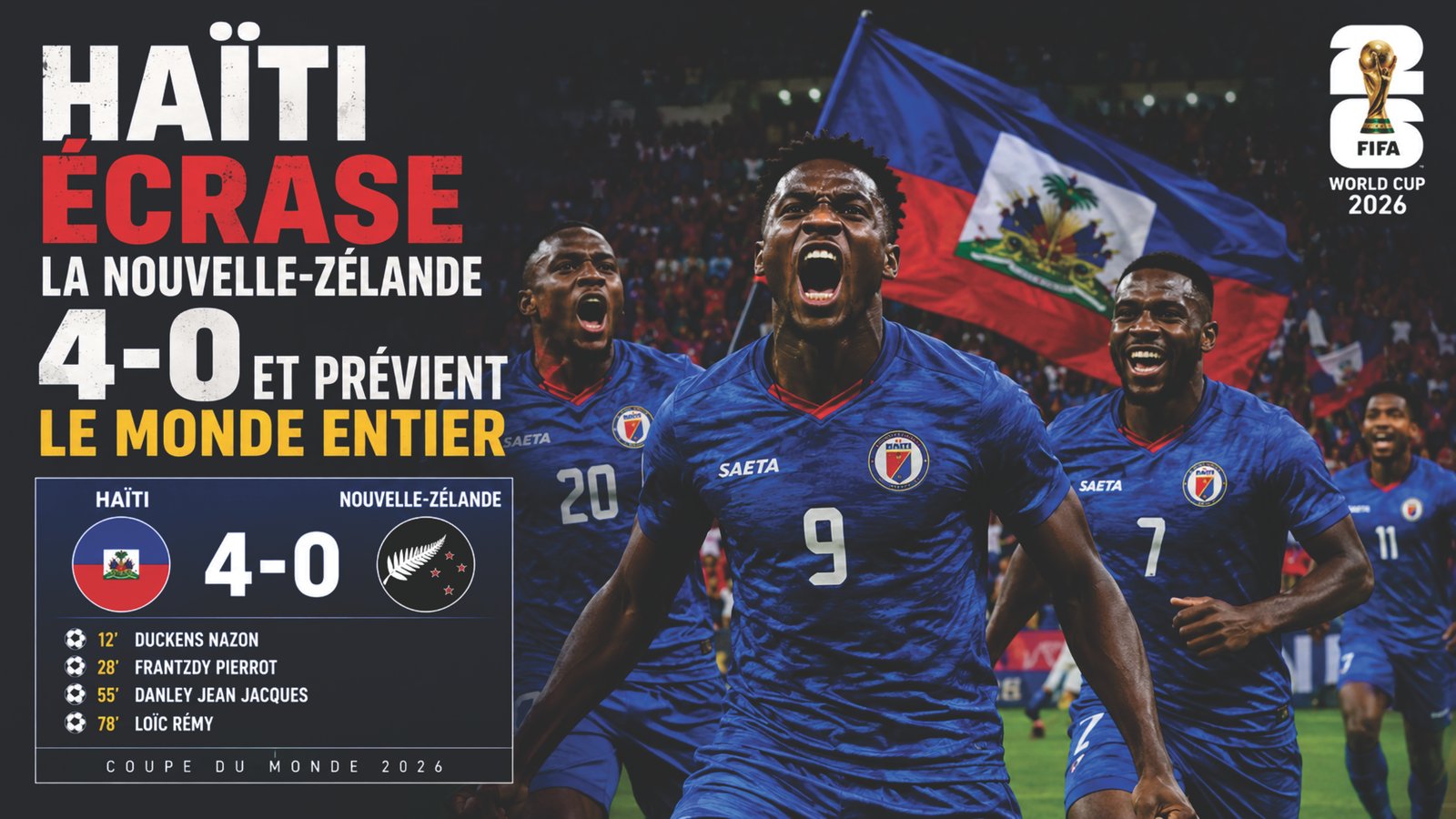
Head coach Sébastien Migné has assembled a squad that combines European experience with Caribbean creativity and energy. In the days leading up to the friendly against Peru, Haiti sent a powerful message by defeating New Zealand 4-0 in Fort Lauderdale. More than 16,000 supporters witnessed a performance that turned the venue into a true home atmosphere for Les Grenadiers.
Ruben Providence opened the scoring in the 12th minute before Lenny Joseph, Frantzdy Pierrot, and Markhus Lacroix added goals after the break. The result was impressive, but the manner of the victory was even more encouraging.
Leading the attack is Duckens Nazon, Haiti’s all time leading scorer with 44 goals in 77 international appearances. Wolves midfielder Jean Ricner Bellegarde provides creativity and vision in midfield, while Wilson Isidor offers strength and directness in attack.
For Haiti, this match against Peru is much more than a simple friendly. It represents the final opportunity to refine tactical details, manage player workloads, and enter the World Cup opener against Scotland with confidence and momentum.


Peru’s Rebuilding Project
Peru arrives in a very different situation.
Although ranked significantly higher than Haiti in the FIFA rankings, La Blanquirroja failed to qualify for the 2026 World Cup. Their South American qualifying campaign ended in disappointment, producing only two wins, six draws, and ten defeats while scoring just six goals in eighteen matches.
Those struggles led to the departure of coach Óscar Ibáñez in October 2025. Former Brazil manager Mano Menezes was appointed in January 2026 and immediately began a rebuilding process.
The transition is evident throughout the squad. Eighteen of the selected players have fewer than ten international appearances. Injuries forced Miguel Araujo and Alex Valera to withdraw, opening the door for young prospects such as eighteen year old Maxloren Castro.
Despite the changes, Peru still possesses experienced leaders. Goalkeeper Pedro Gallese, midfielder Yoshimar Yotun, and winger André Carrillo have accumulated more than 360 international appearances combined. Their experience will be essential in helping a younger generation adapt to international football.

For Peru, this friendly serves as an important evaluation of both players and tactics as Menezes continues to shape the future of the national team.
Team Formations and Tactical Approach
Haiti’s 4 3 3 System
Under Sébastien Migné, Haiti has embraced a disciplined 4 3 3 formation built on defensive organization and quick transitions.
Bellegarde operates as the creative force in midfield, while Nazon remains the focal point of the attack.
Expected Haiti Lineup
Goalkeeper: Johny Placide (Captain)
Defenders: Carlens Arcus, Benjamin Adé, Steeven Decroux, Martin Expérience
Midfielders: Danley Jean Jacques, Réginald Simon, Jean Ricner Bellegarde
Forwards: Ruben Providence, Duckens Nazon, Frantzdy Pierrot
Providence and Pierrot offer contrasting qualities. Providence relies on movement, pace, and intelligent runs behind defenses. Pierrot brings physicality and direct attacking play. Together they stretch opposing back lines and create space for Nazon.
The midfield operates with high intensity. Haiti presses aggressively when possession is lost, seeking to recover the ball in advanced areas and launch quick attacks. This approach proved highly effective against New Zealand.
Defensively, Haiti has recorded four clean sheets in its last seven matches. Veteran goalkeeper Johny Placide remains a calming presence and provides strong leadership for the back line.
Haiti Peru Tactical Masterclass (Peru’s 4 2 3 1 )Formation
Menezes has favored a 4 2 3 1 setup designed to provide defensive balance while allowing attacking players freedom in the final third.
The double pivot in midfield protects a defense that has struggled for consistency. Peru has conceded an average of 1.4 goals per game in recent matches, making defensive improvement a priority.
Yoshimar Yotun brings stability and experience. André Carrillo remains Peru’s most dangerous attacking outlet, capable of creating opportunities through his technical quality and vision.
Young attackers such as Kenji Cabrera, Adrián Ugarriza, and Jhonny Vidales are still searching for their first international goals, highlighting the developmental stage of this squad.
Nineteen year old Bassco Soyer could make his first senior start after scoring on his debut against Bolivia. His emergence reflects Peru’s commitment to building for the future.
Key Tactical Battles
Bellegarde vs Peru’s Midfield Shield
Jean Ricner Bellegarde is the creative heartbeat of Haiti’s team. His ability to operate between the lines, escape pressure, and distribute quickly makes him a constant threat.
Peru’s midfield will need to stay compact and disciplined to limit his influence. If Bellegarde finds space, Haiti’s attack becomes significantly more dangerous.
Haiti’s Press vs Peru’s Build Up Play
One of Haiti’s defining characteristics is its aggressive pressing game.
Against New Zealand, the press forced numerous mistakes and created several scoring opportunities. Peru’s relatively inexperienced defense will face a similar challenge.
Winning possession high up the field could allow Haiti to seize control of the match early.
Carrillo vs Haiti’s Defensive Structure
André Carrillo represents Peru’s greatest creative threat.
His movement, experience, and technical quality can unlock defenses, particularly when operating between midfield and attack.
The battle between Carrillo and Haiti’s left side could play a major role in determining Peru’s attacking success.
Nazon vs Peru’s Central Defense
Duckens Nazon is much more than a traditional striker.
He drifts into wide areas, drops deep to link play, and constantly forces defenders into difficult decisions. His movement and intelligence make him one of Haiti’s most dangerous weapons.
Peru’s reshuffled defense must remain focused throughout the match if it hopes to contain him.
Final Verdict
This friendly offers far more than a simple exhibition.
For Haiti, it is a final opportunity to sharpen every aspect of its game before stepping onto the World Cup stage. The team appears organized, confident, and increasingly mature under Sébastien Migné.
For Peru, the match represents another important step in a rebuilding process that will require patience and development.
Haiti enters the contest with momentum, belief, and a clear tactical identity. The Grenadiers are not traveling to the 2026 FIFA World Cup simply to participate. They are arriving with ambition, preparation, and the support of an entire nation behind them.
The World Cup is approaching, and Haiti appears ready for the challenge.